Rubber Belt Conveyor

Rubber Belt Conveyor

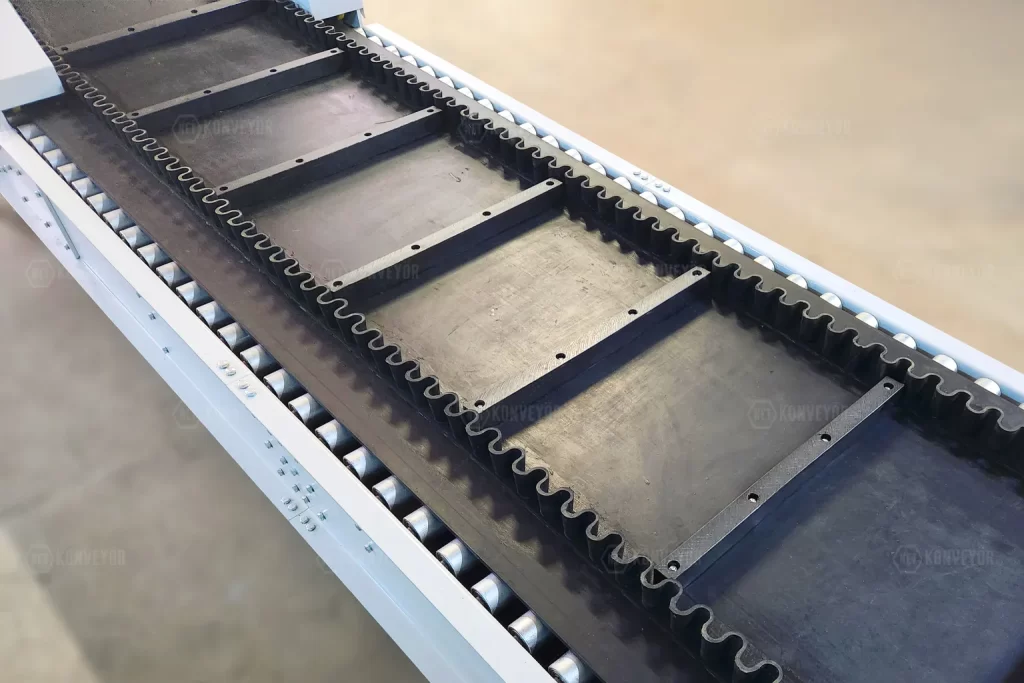
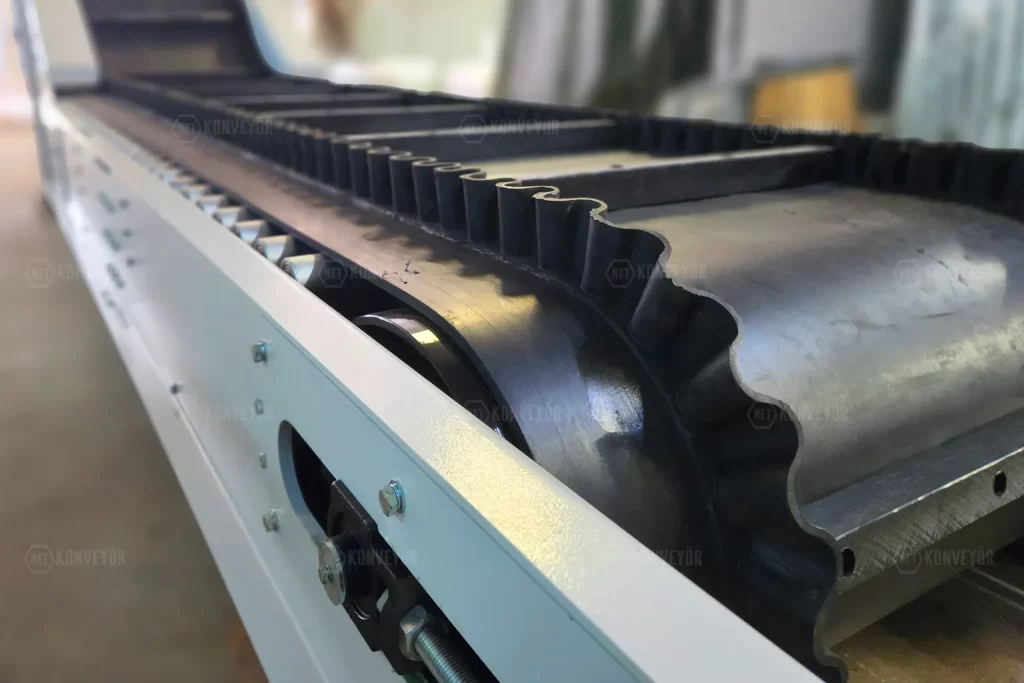
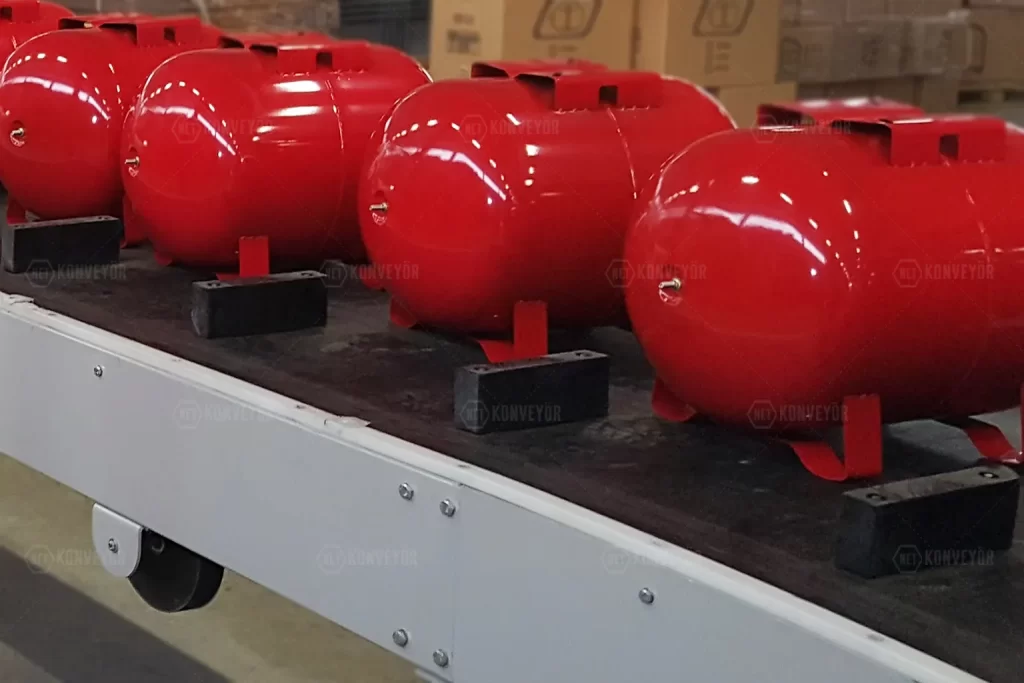
Rubber belt conveyors are among the most durable conveying solutions used for transporting heavy loads, challenging materials, and products exposed to high temperatures. Thanks to their high abrasion resistance, impact strength, and long service life, they offer indispensable solutions especially in heavy industry, mining, and construction sectors.

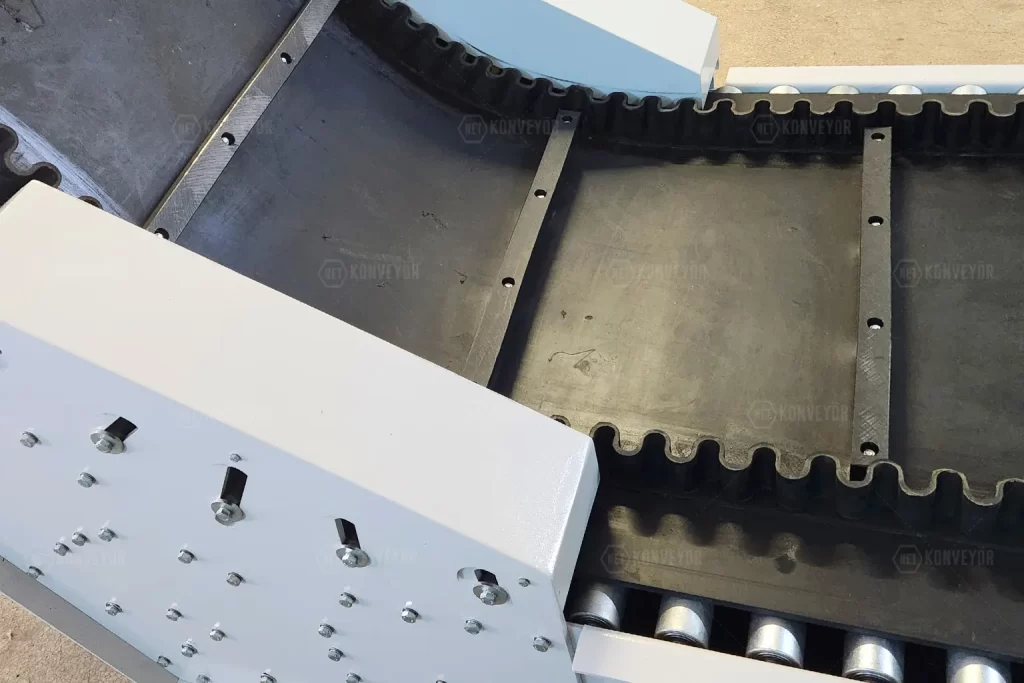
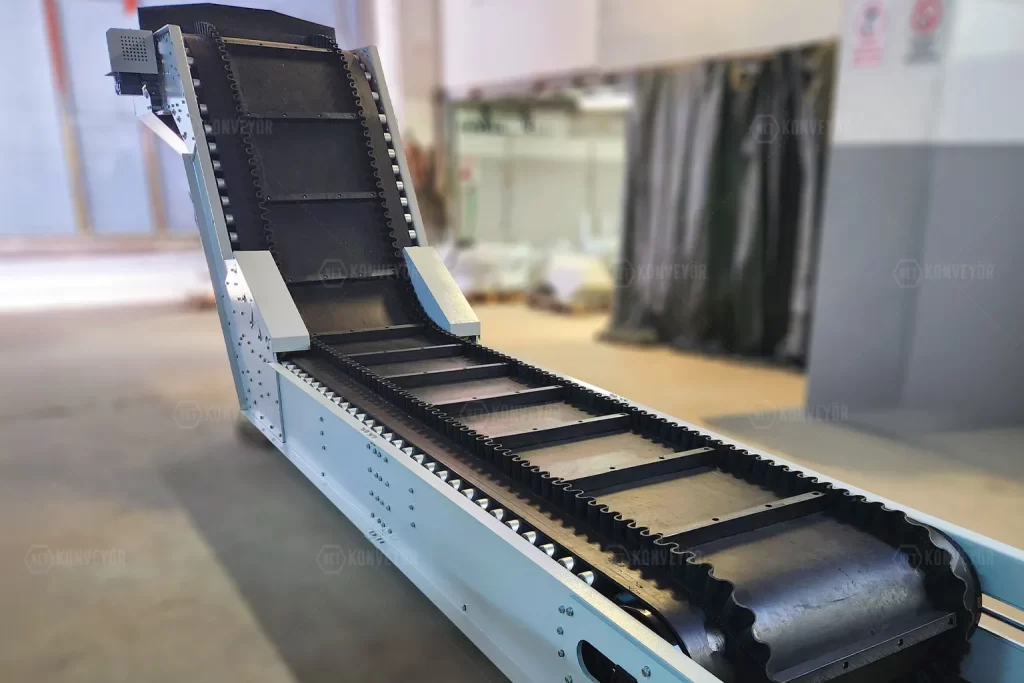
Rubber belt conveyors are manufactured in various types according to different material handling requirements:

  • Straight rubber belt conveyors
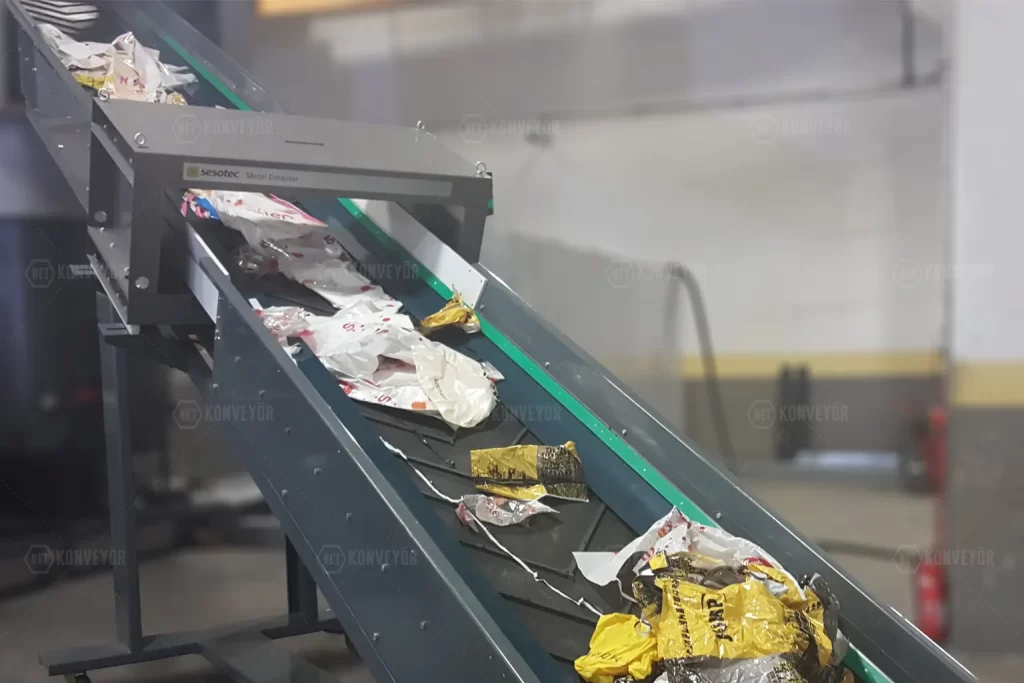
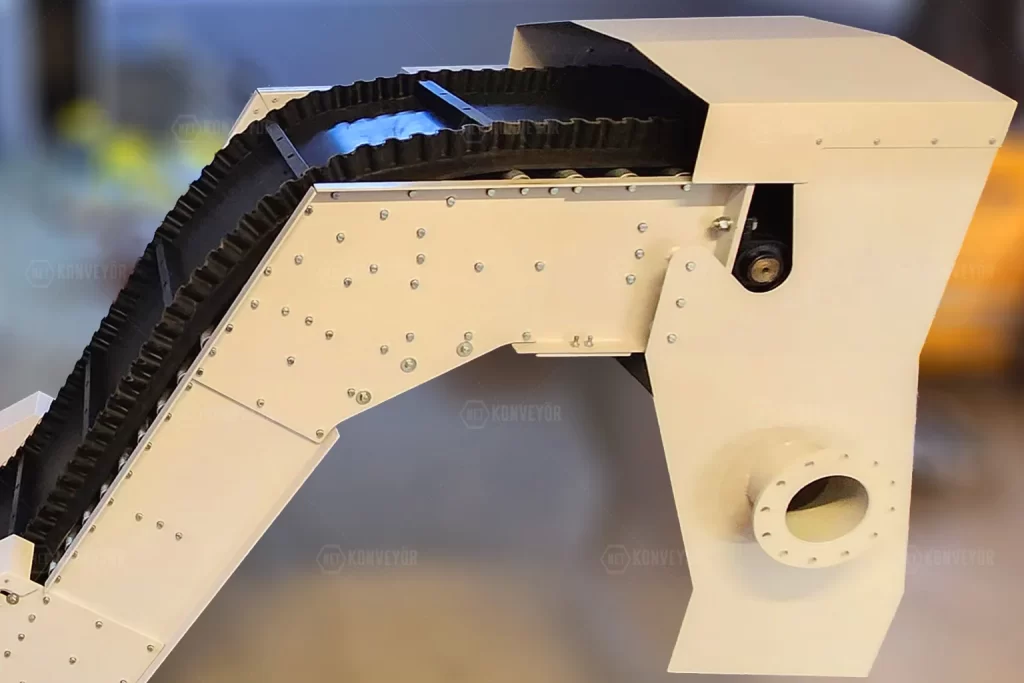
  • Inclined rubber belt conveyors
  • Curved rubber belt conveyors (1° – 180°)
Remember! There is no single type of conveyor for every application; each production process requires its own tailored solution.

GET A QUOTE NOW

RUBBER BELT CONVEYORS

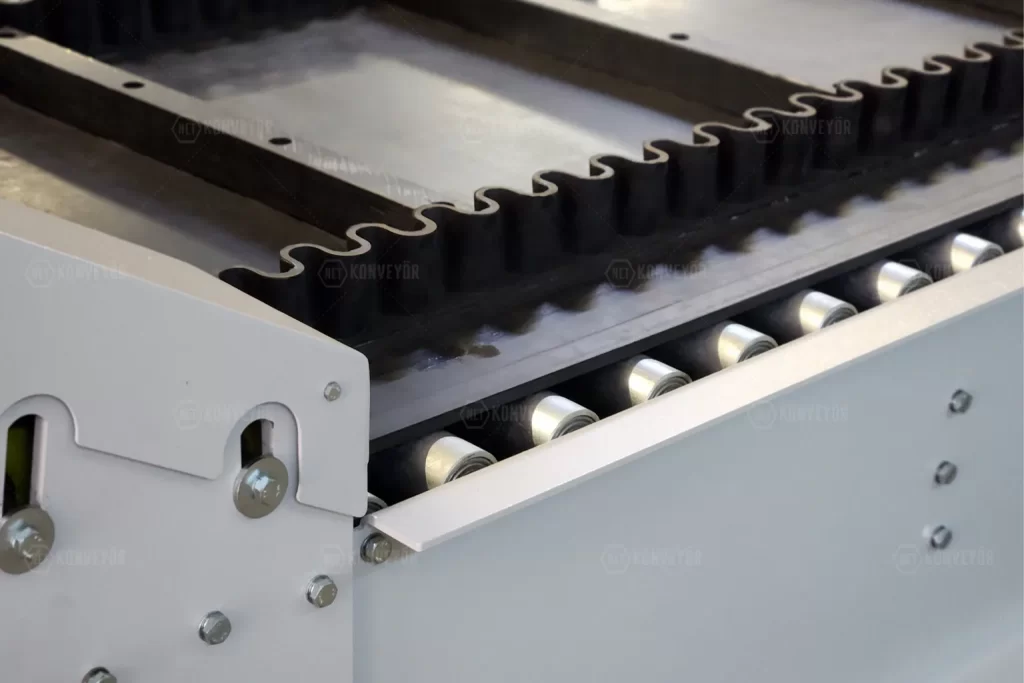
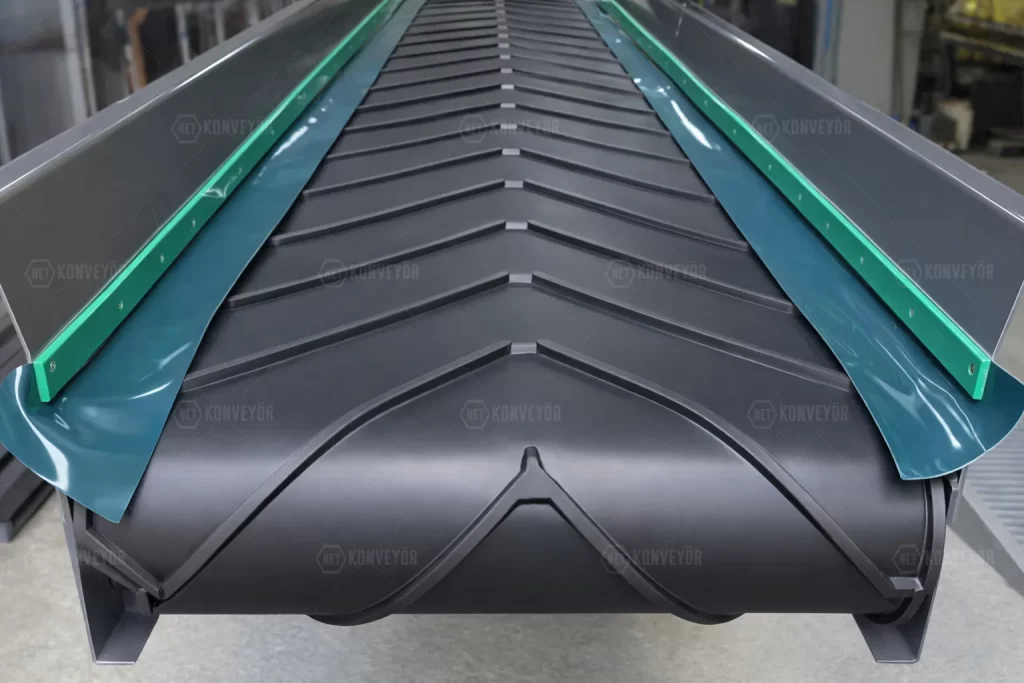
Rubber belt conveyors are designed to safely handle heavy and demanding materials, utilizing high-strength conveyor belts manufactured from various rubber types such as SBR, NBR, CR, and EPDM.

Rubber belt conveyors; (1) High impact resistance, (2) Heat resistance, (3) Superior abrasion performance, (4) Resistance to harsh outdoor conditions.

Motor Power

1 – 5 kW

Load Capacity

0 – 200 kg/m

Conveyor Speed

1 – 30 m/min

Applications

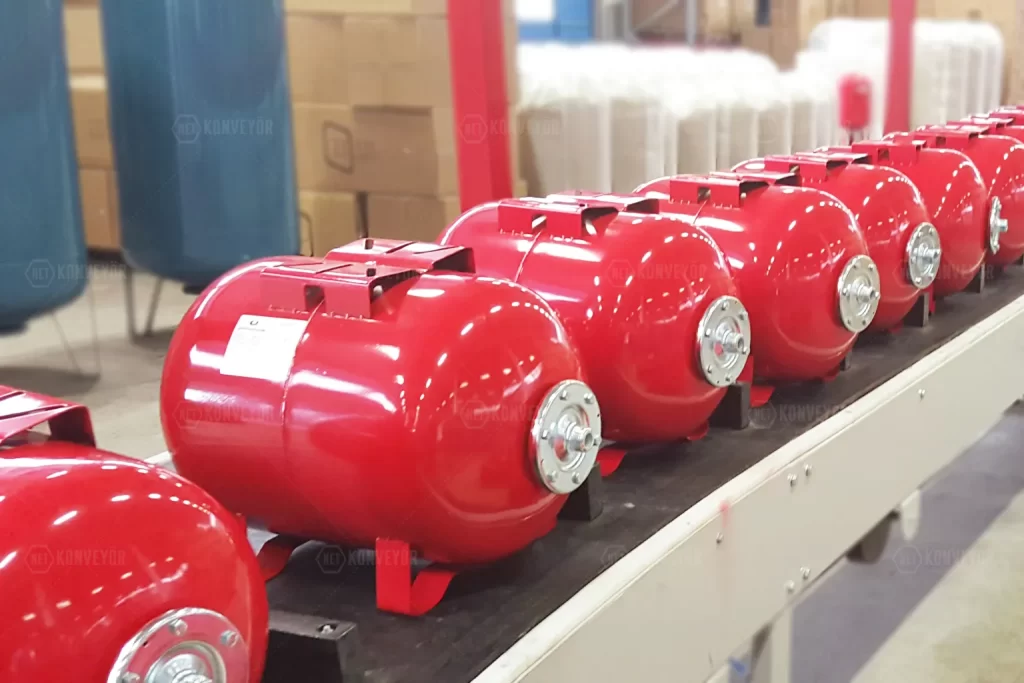
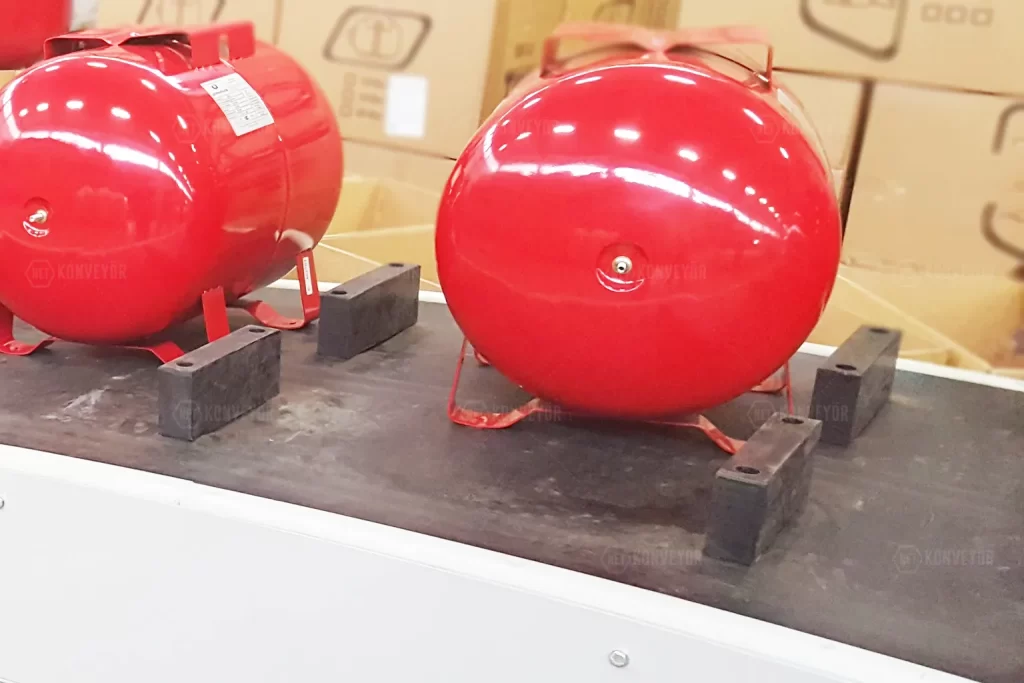
Rubber belt conveyors are widely used across a broad range of applications, from packaging and packing processes to the chemical industry, from agricultural material handling to heavy industrial operations. They are effectively utilized in all operations requiring continuous and reliable material flow, particularly in logistics and distribution centers, as well as airport baggage handling systems.

In addition, they are preferred in sectors such as agricultural material handling, brick and tile production, paper and cardboard manufacturing, recycling facilities, and the wood industry due to their high durability. They also provide long-lasting and efficient conveying solutions in demanding environments such as the metal industry, energy sector, and rubber processing plants.

Rubber belt conveyors offer flexibility and durability for handling both light and medium-to-heavy loads, making them an ideal solution for the production and material handling needs of various industries.

GALLERY

Detailed Information on Rubber Belt Conveyors

Rubber belt conveyors offer numerous advantages compared to other conveyor types:

  • Suitable for heavy load handling
  • Long service life and cost-effective
  • High performance under demanding operating conditions
  • Significantly reduces labor requirements
  • High efficiency with dusty, sharp, and wet materials
  • Suitable for both indoor and outdoor applications

Different types of rubber belts are manufactured according to specific application requirements:

1. Smooth Surface Rubber Belts
Used for transporting packaged and uniform products.

2. Heat-Resistant Belts
Ideal for high-temperature applications (cement, asphalt, foundry, etc.).

3. Oil and Chemical-Resistant Belts
Safely used in chemical production and recycling facilities.

4. Heavy-Duty Belts
Designed for mining, quarries, and heavy industrial applications.

SBR (Styrene-Butadiene Rubber)

  • High abrasion resistance
  • Flexible structure (stable in both hot and cold conditions)
  • Long service life
  • Ideal for mining and quarry applications

NBR (Nitrile Rubber)

  • High resistance to oils and chemicals
  • Used in petroleum, recycling, and automotive industries
  • Resistant to acids and bases

CR (Neoprene Rubber)

  • High resistance to heat and chemicals
  • Resistant to oil, solvents, and weather conditions
  • Widely used in industrial applications

EPDM Rubber

  • Resistant to UV, ozone, and high temperatures
  • Resistant to water, steam, and chemicals
  • Ideal for outdoor applications

Proper belt selection is critical for system performance and belt service life:

  • Type of material being conveyed (sharp, heavy, chemical, etc.)
  • Operating conditions (temperature, humidity, outdoor environment)
  • Abrasion and impact factors
  • Storage and usage conditions
  • Exposure to chemicals

Incorrect belt selection may lead to premature wear and increased costs.